Labels
What is Stigma?
People with an SUD often experience stigma, which negatively affects them and the people who love and support them.
Stigma can jeopardize recovery by eroding confidence, discouraging treatment, and isolating individuals from support. It appears in many forms:
- Internalized stigma is when people absorb negative stereotypes and feel shame about their disorder.
- External stigma stems from peers, providers, or communities.
- Systemic stigma is reinforced through policies and institutions that limit access to care, housing, and opportunity.
Stigma's Effect on People
Stopping people from accessing resources or medical care
People may hesitate to share that they have an SUD due to social, legal, and work-related consequences. As a result, they are less likely to reach out for help.
Isolating individuals who are struggling
People who use substances may experience shame or anger from others, making them less likely to ask for help.
Preventing people from receiving the quality of care they need
Healthcare professionals can sometimes show bias, knowingly or unknowingly, toward people who use substances, which can result in lower-quality care.
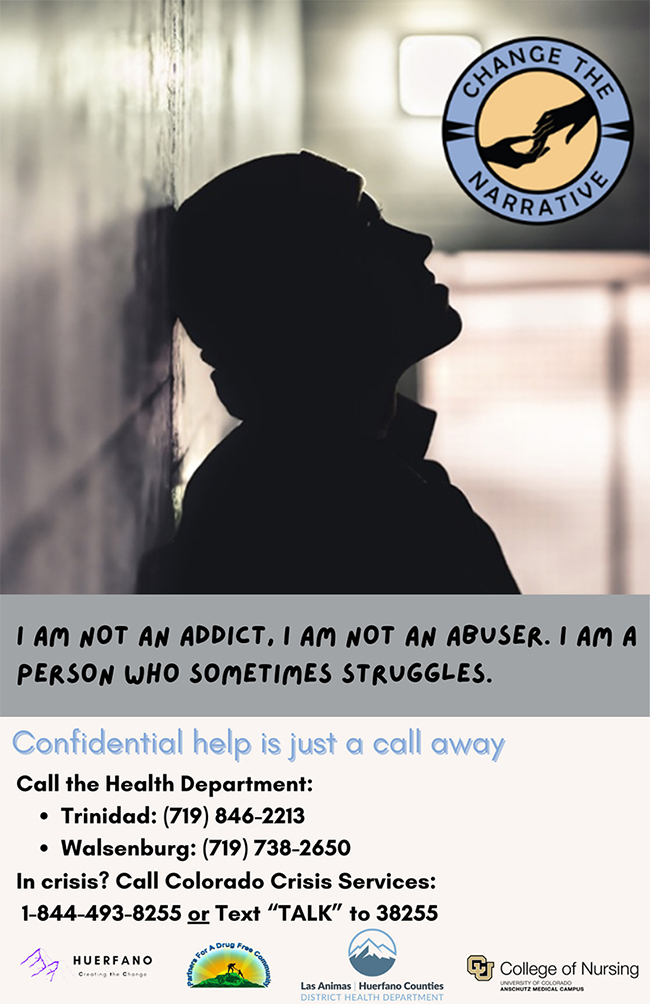
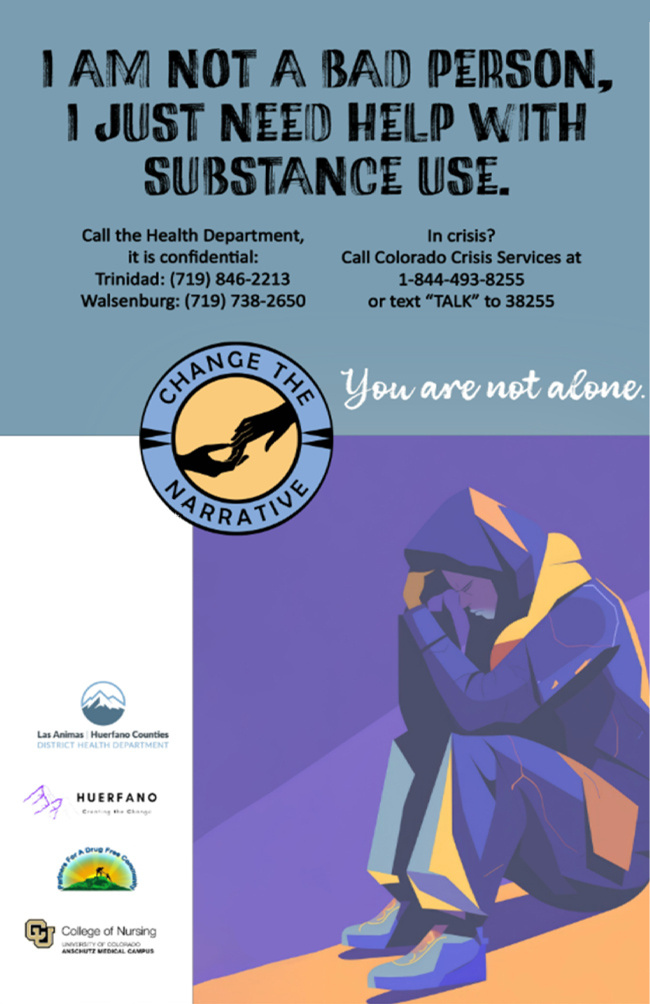
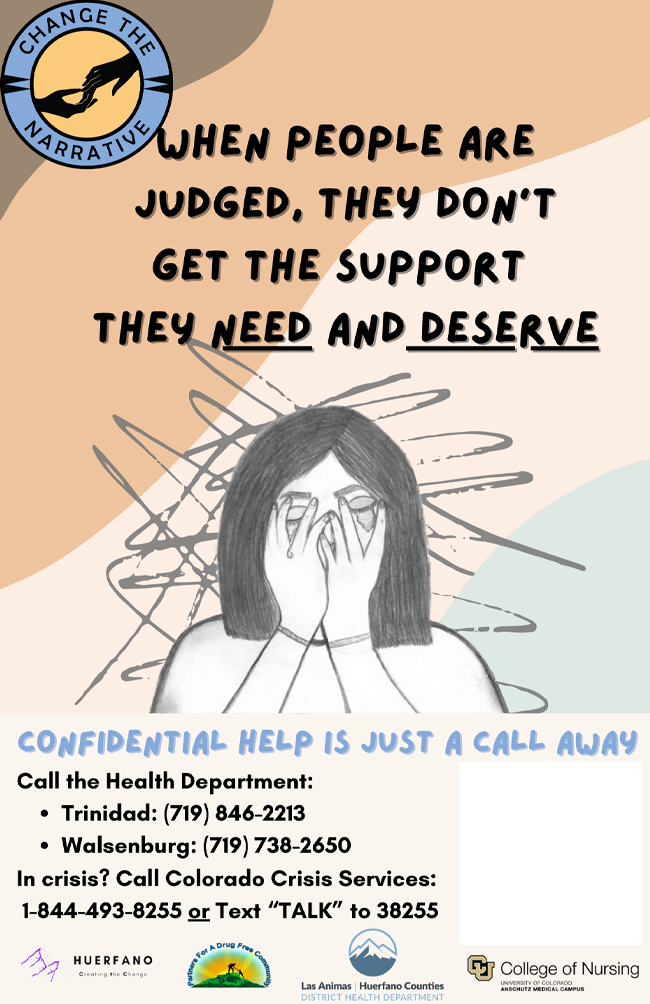
Change the Narrative is an educational campaign aimed at reducing the stigma around substance use and mental health disorders. It affects everyone in our community, from people who use substances or have mental health issues, to the healthcare professionals supporting those who use substances.
Addressing the Stigma
By addressing stigma, we not only reduce harm, but empower individuals and communities to speak out, tell their stories, and sustain hope. Speaking out helps dismantle stereotypes and encourages others to seek recovery and connection.
Together, we can change the narrative about how to address SUD.