Your Words Matter
"You are not alone. You don't have to avoid the feelings. There is help available."
Las Animas County Resident
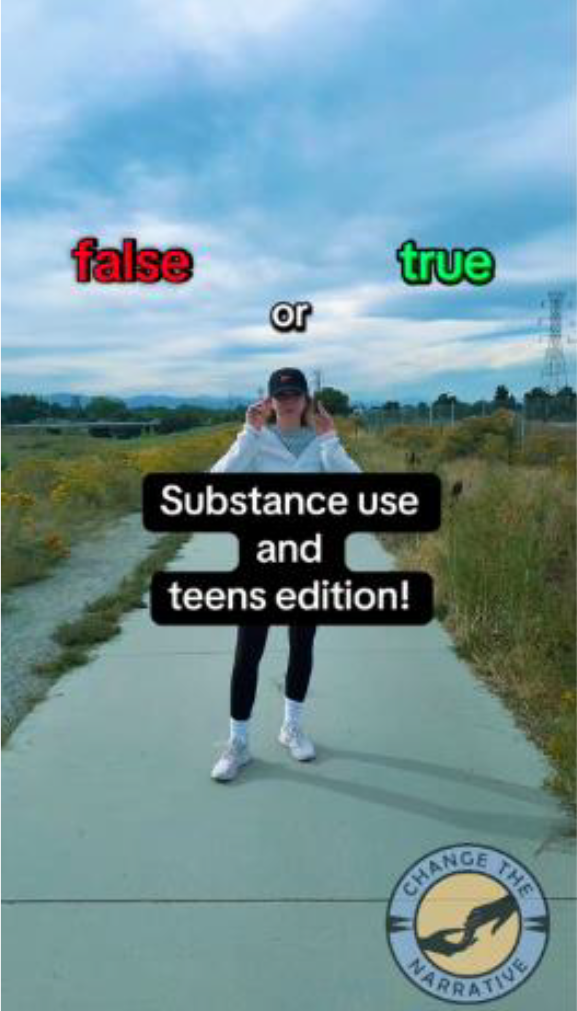
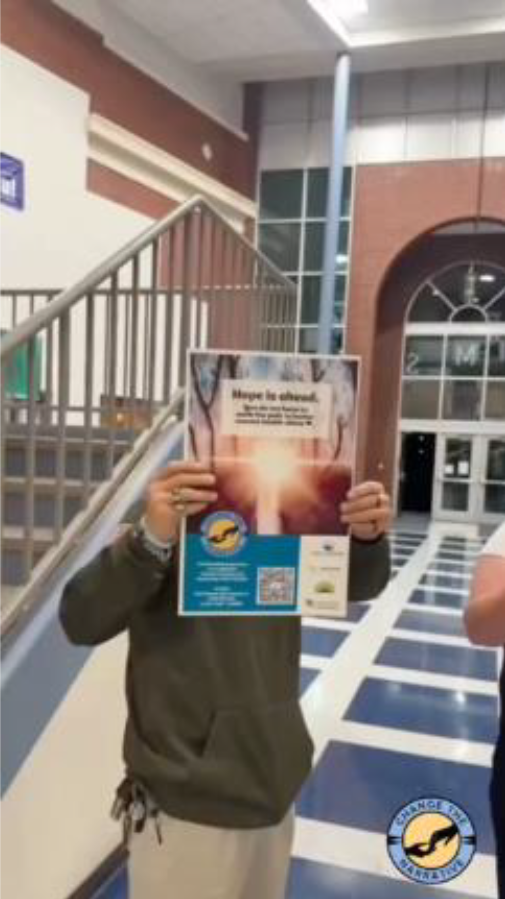
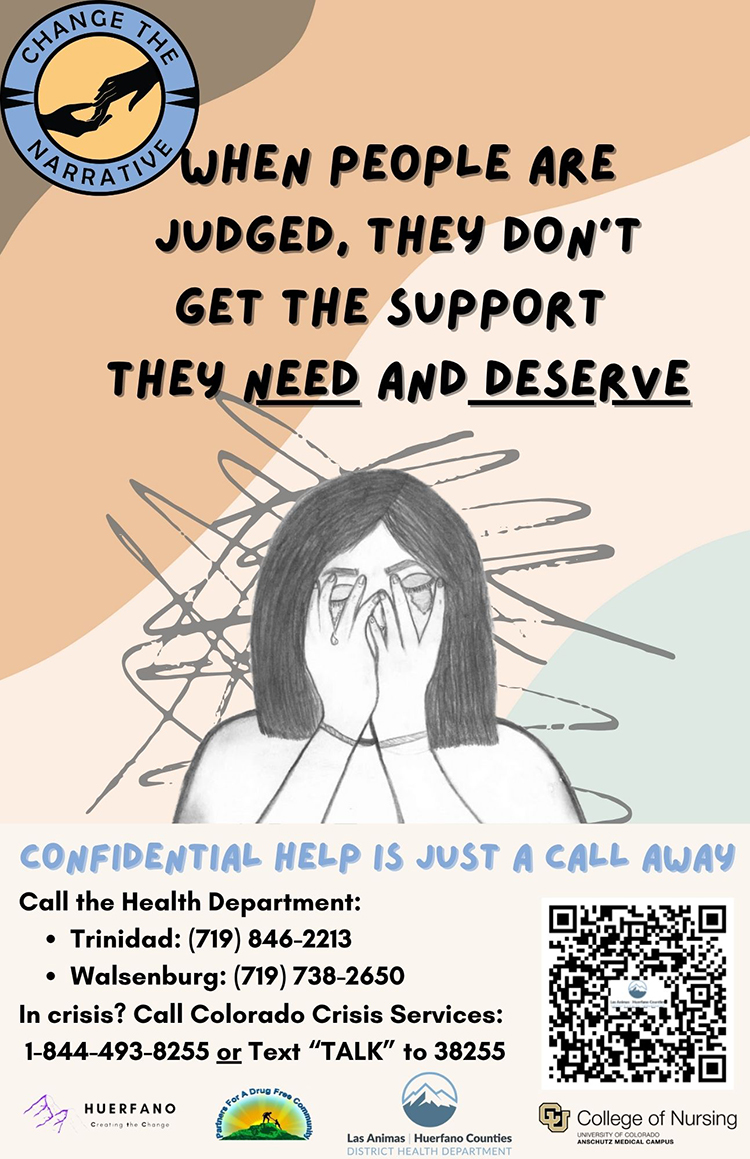
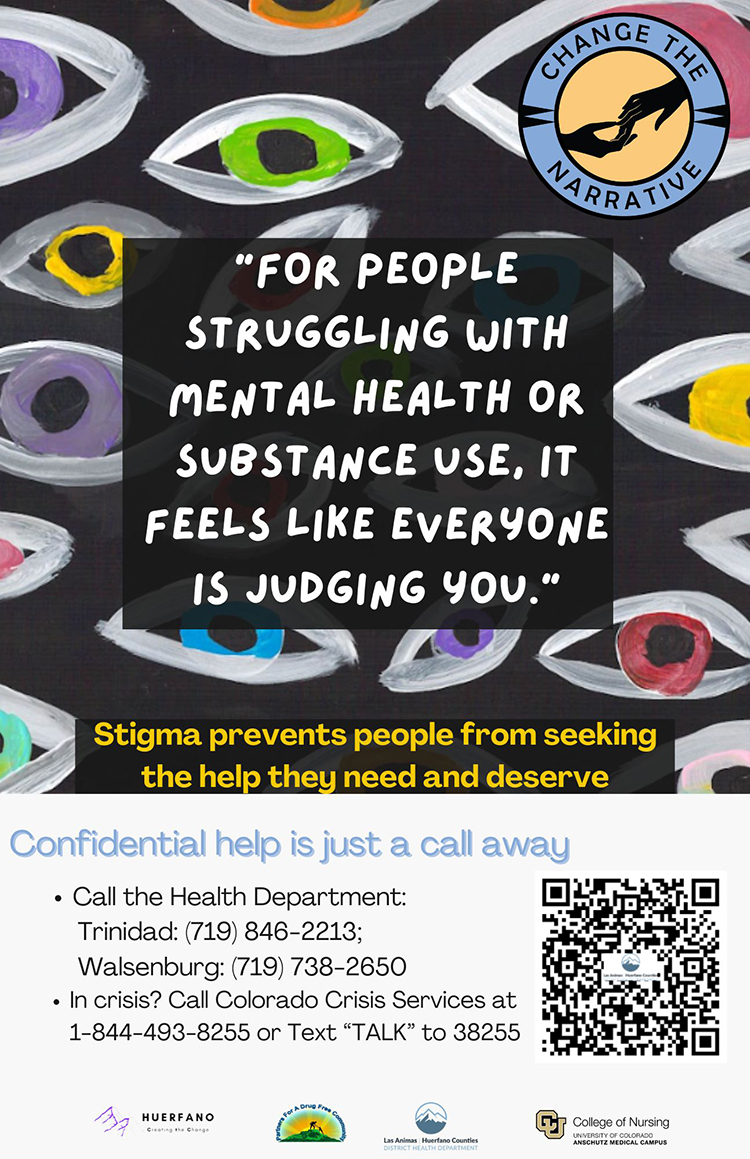
 The Change the Narrative campaign was created by leaders in our community to bring awareness to stigma around substance use disorder and to reduce stigma locally. Our printed materials were distributed through various venues and local places, including hospitals, business, schools. The social media component of the Change the Narrative campaign centers on creating youth-responsive, short-form content designed for platforms such as TikTok and Instagram. Through this ongoing effort, we are producing a library of visually consistent, culturally relevant videos that align with how rural youth engage with digital media to strengthen our community and the Health Department’s capacity to deliver modern, stigma-reducing prevention messaging and establish a scalable framework for ongoing social media–based youth engagement.
Using People-First Language
Using people-first language is an effective way to reduce stigma. This approach focuses on the individual rather than their condition, helping them feel respected and supported.
Using people-first language focuses on the person, not their condition. This language can help people feel safe to ask for help and less judged for their substance use disorder. Together, we can change the narrative around SUD and mental health.
Evidence shows that compassionate, person‑first language reduces stigma for individuals, families, and communities affected by SUD. Use terms like “person with a substance use disorder” instead of “addict.”
People-first language empowers individuals to seek help and reduces judgment. Together, we can change how we talk about SUD and mental health.
| Instead of... | Use... |
|---|---|
| Addict / Junkie / User / Abuser | Person with a substance use disorder or person engaging in substance use |
| Testing dirty | Testing positive (on a drug screen) |
| Reformed addict | Person in recovery |
| Clean | Being in recovery |
| Mentally ill | Person with a mental health condition |
| Suffering from... | Diagnosed with |
Tips for Changing the Narrative
- Avoid hurtful or negative labels.
- Encourage and correct others to use person-first language.
- Create safe spaces for open dialogue and connection.
- Share stories of hope and recovery from family members, peers, and community leaders.
Confidential help is just a call away.
Call the Health Department to get connected to care.
Trinidad: 719-846-2213
Walsenburg: 719-738-2650
Recovery is a chapter in your story—not the end. We can do this together.